Information
Landmark: Jeonju Hanok VillageCity: Jeonju
Country: South Korea
Continent: Asia
Jeonju Hanok Village, Jeonju, South Korea, Asia
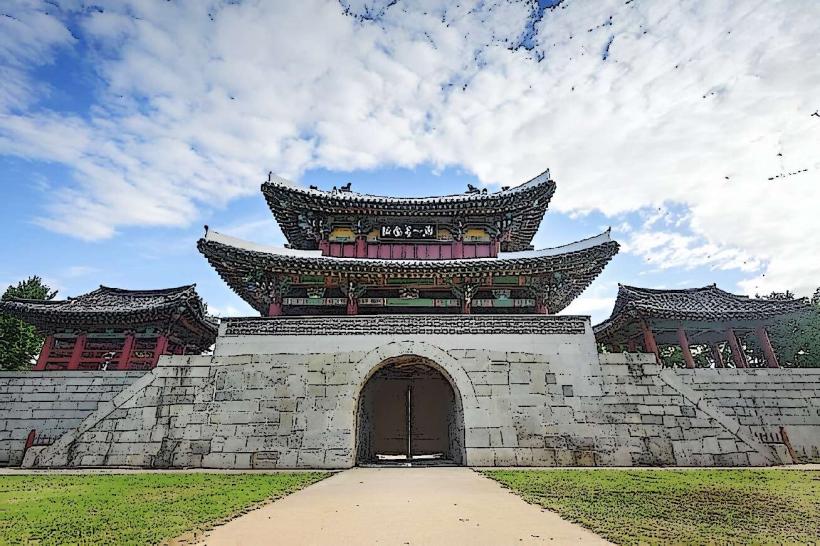
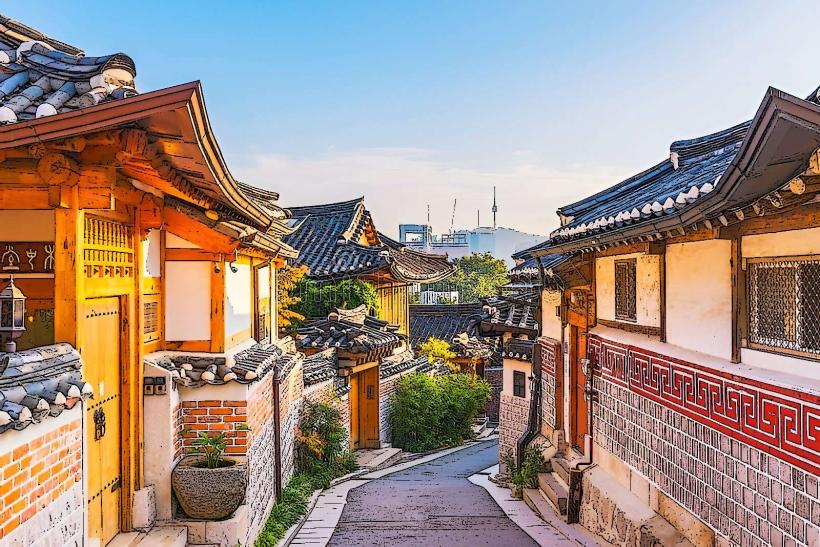
Jeonju Hanok Village (전주 한옥마을) is a well-known and culturally significant destination in Jeonju, South Korea, offering visitors a unique experience of traditional Korean architecture, history, and culture. The village is renowned for its collection of over 800 traditional Hanok houses, which provide a glimpse into the country’s architectural and cultural heritage from the Joseon Dynasty period.
Key Features of Jeonju Hanok Village:
Location:
- Jeonju Hanok Village is situated in the heart of Jeonju, the capital of North Jeolla Province in southwestern South Korea. The village is easily accessible from the city center and is a major cultural landmark in the region.
Historical Significance:
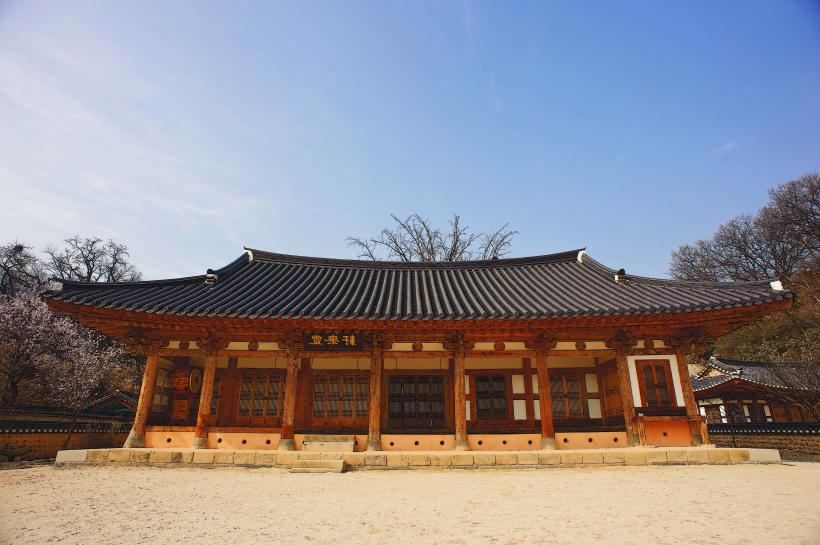
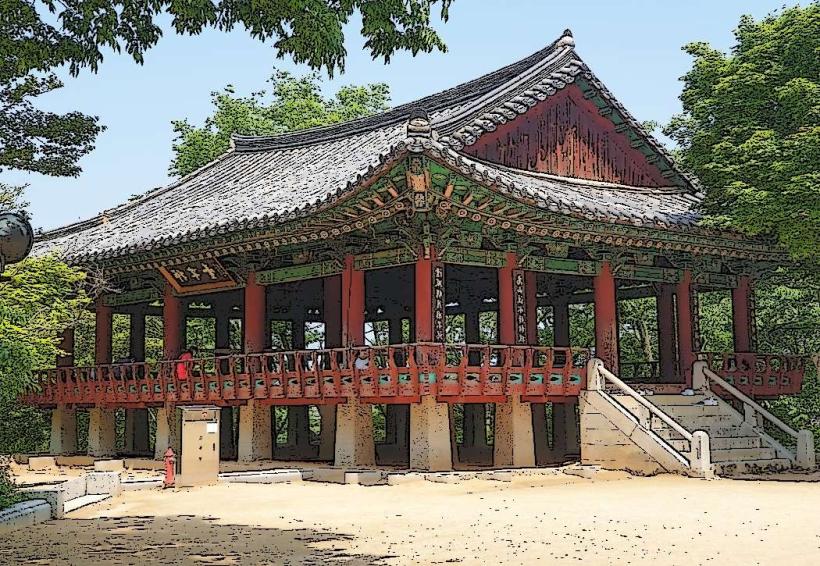
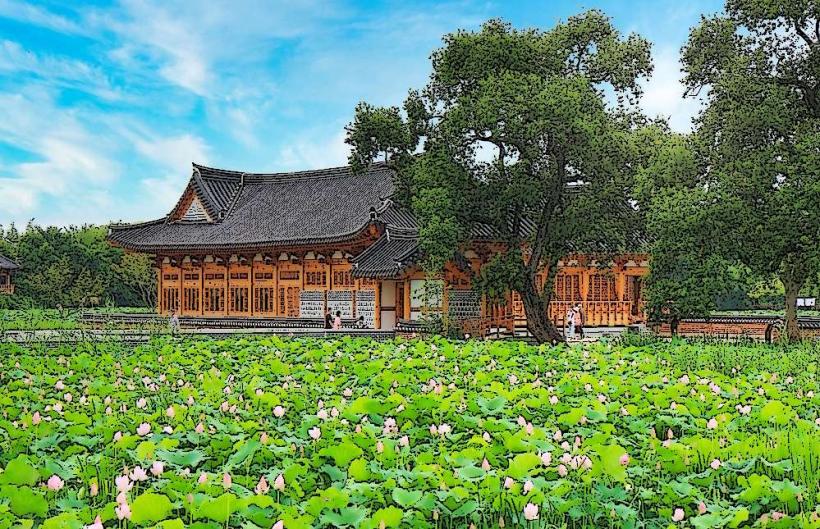
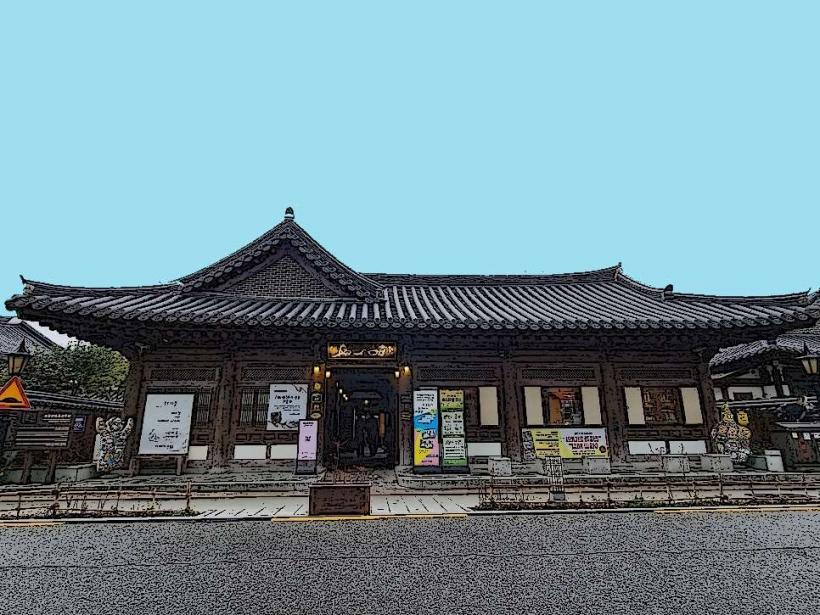
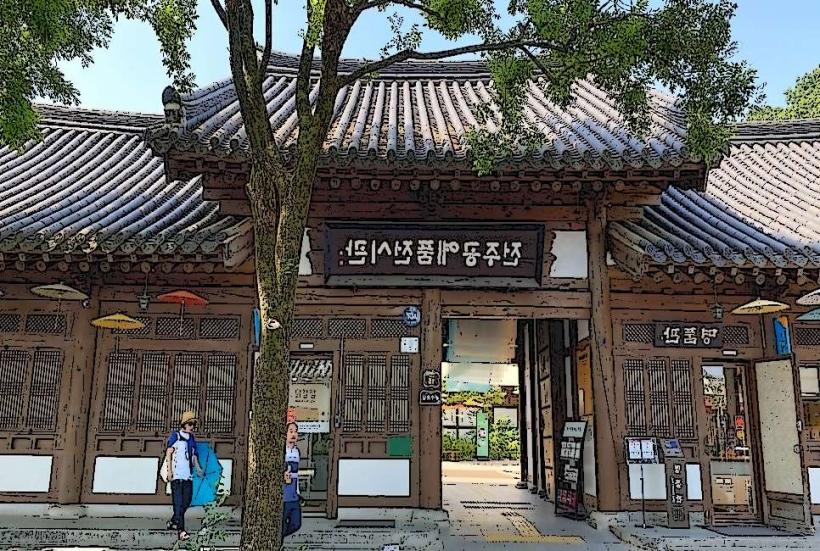
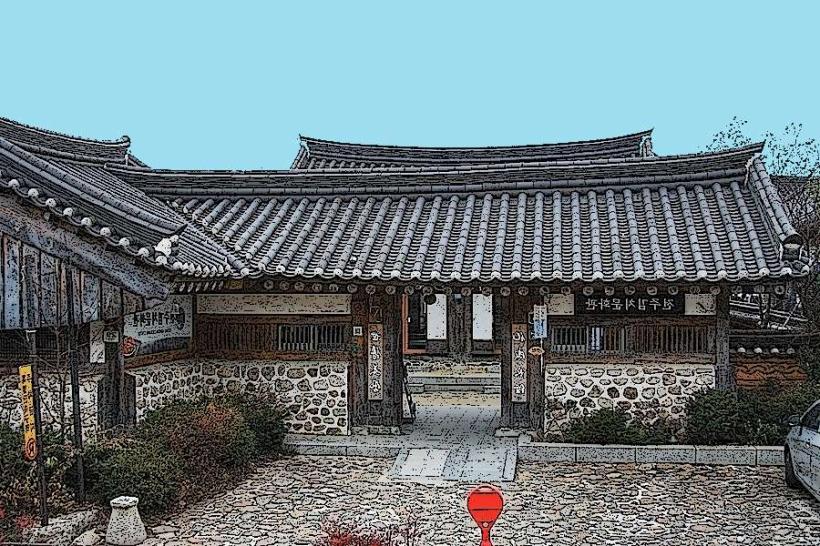
- The village offers a glimpse into traditional Korean life, showcasing Hanok, the traditional Korean house characterized by its unique architectural style with wooden beams, tiled roofs, and papered doors and windows.
- The Jeonju Hanok Village is particularly notable because it is one of the largest collections of traditional Hanok houses in Korea. The village has preserved these buildings to keep alive the architectural traditions and cultural practices of the Joseon Dynasty (1392–1897), making it a vital part of Korean heritage.
Hanok Architecture:
- Hanok houses are known for their use of natural materials such as wood, stone, and clay. They are designed to blend harmoniously with nature, featuring curved tiled roofs, open courtyards, and rooms that are arranged in a way that allows for good airflow and efficient use of space.
- The layout of Hanok houses is designed to be in harmony with the surrounding environment, with the home often facing south to take advantage of sunlight and warmth. The Ondol system, a traditional Korean floor-heating method, is also a key feature in Hanok homes.
What to See and Do:
- Hanok Houses: Visitors can walk through the village and visit the many Hanok homes, many of which are still inhabited. Some of the homes have been converted into guesthouses, cafes, restaurants, and shops, allowing visitors to experience life in a traditional Hanok.
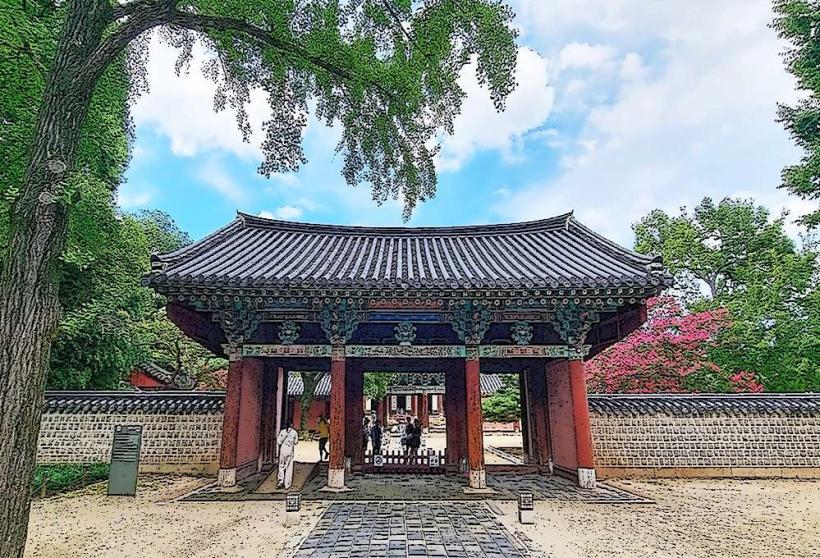
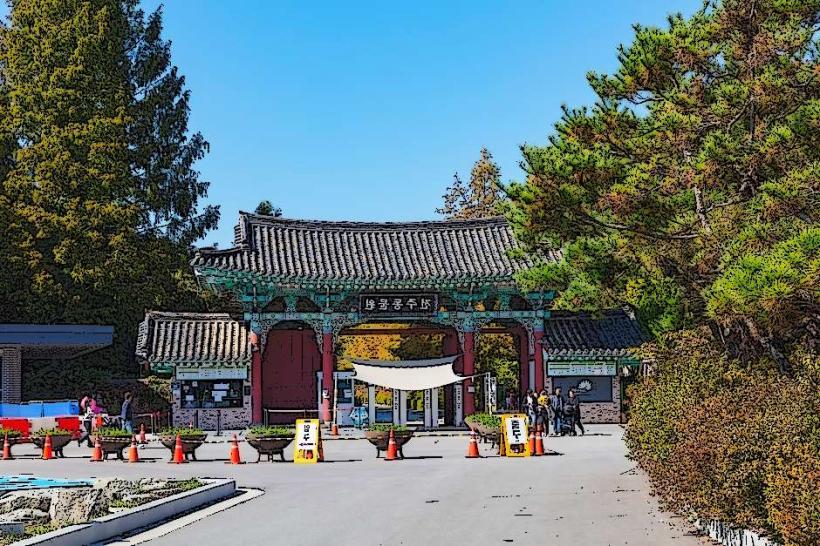
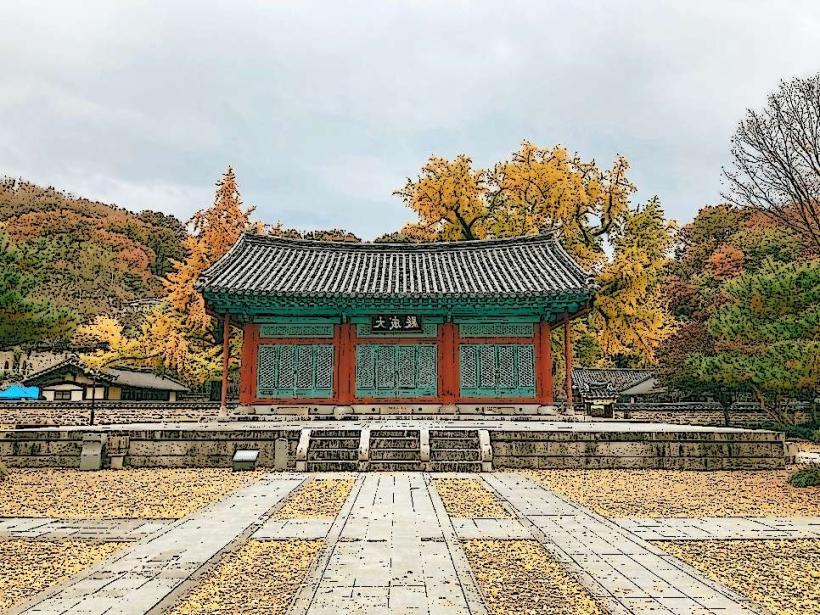
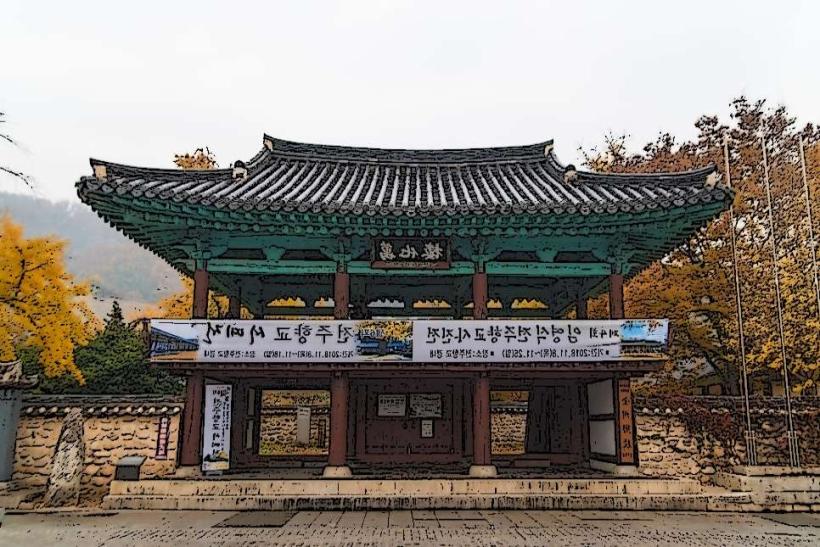
- Gyeonggijeon Shrine: One of the most important landmarks in the village is the Gyeonggijeon Shrine, which houses the portrait of King Taejo, the founder of the Joseon Dynasty. The shrine is a beautiful example of traditional Korean architecture and provides insight into the country’s royal history.
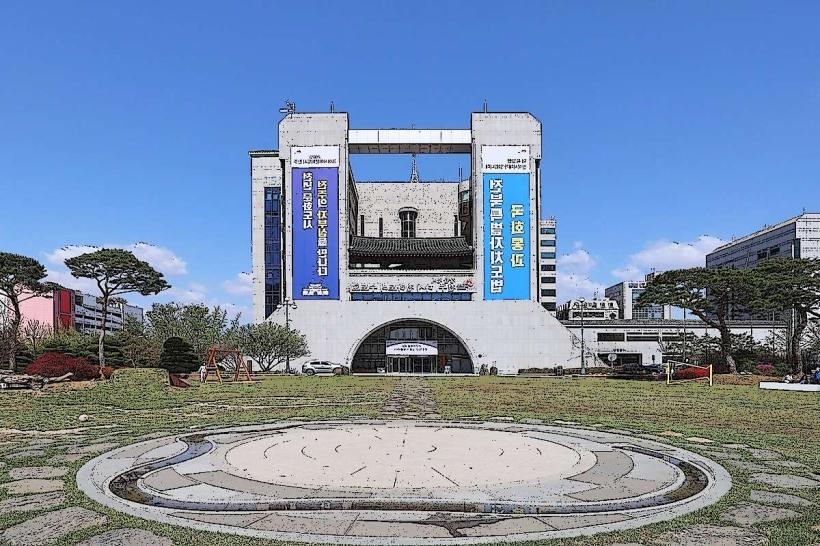
- Jeonju Hanok Village Museum: This museum offers an in-depth look at the history and architecture of the village, featuring exhibits on traditional Korean culture, the Hanok style, and the Joseon Dynasty.
- Traditional Korean Tea Houses: The village is known for its traditional tea houses, where visitors can relax and enjoy traditional Korean teas and sweets, such as teok (rice cakes) and banchan (side dishes).
- Cultural Experiences: The village offers various cultural activities, such as wearing Hanbok (traditional Korean clothing), learning about calligraphy, making Hanji (traditional Korean paper), and participating in traditional craft workshops.
Culinary Delights:
- Jeonju is known as the food capital of Korea, and Jeonju Hanok Village is the perfect place to enjoy local specialties. Some must-try dishes include:
- Jeonju Bibimbap: A famous Korean dish made of rice, mixed with various vegetables, meat, and spicy gochujang (chili paste). It’s one of Jeonju’s signature dishes.
- Choco Pie: Jeonju is also known for its traditional, locally made chocolate pies, which are a popular treat among both locals and visitors.
- Jeonju Makgeolli: A traditional Korean rice wine that is often served in the village’s teahouses and traditional restaurants.
Festivals and Events:
- Jeonju Hanok Village hosts several cultural festivals throughout the year, which celebrate traditional Korean arts, crafts, performances, and food. Popular events include:
- Jeonju Hanok Village Cultural Festival: A celebration of Korean traditional music, dance, and cultural performances held annually in the village.
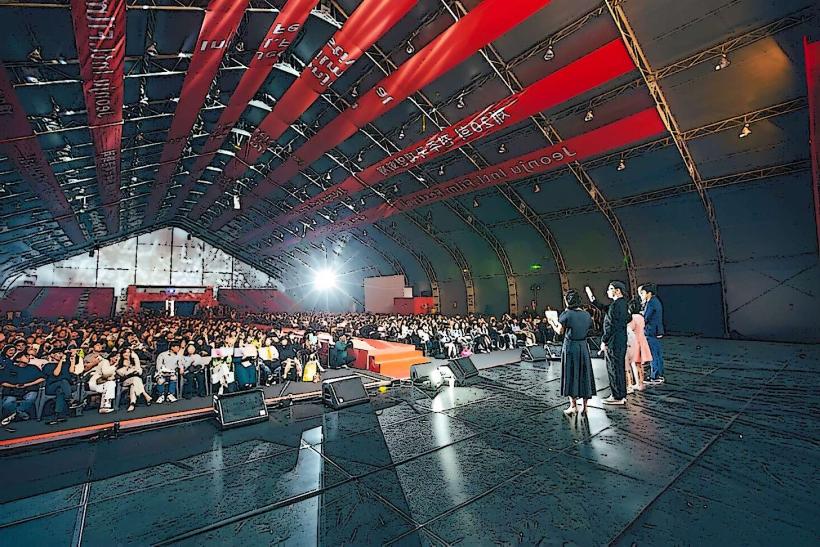
- Jeonju International Film Festival: While not directly in the Hanok Village, the festival is a major event in Jeonju and often includes screenings and activities related to traditional Korean culture.
Nearby Attractions:
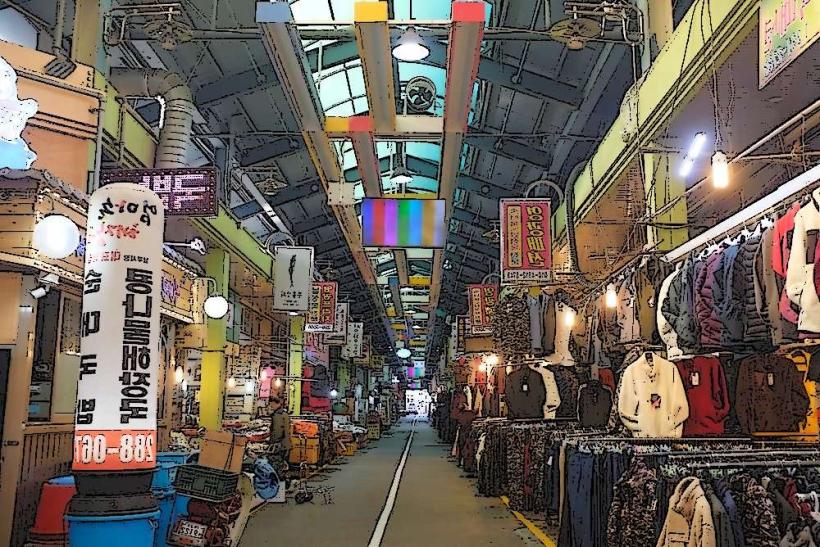
- Nambu Market: Located close to the Hanok Village, this traditional market offers an authentic experience of Korean shopping, with fresh produce, street food, and local goods.
- Jeondong Catholic Church: A historical church near the village that blends Western and Eastern architectural styles, offering a contrast to the traditional Hanok houses.
- Wansan Park: A tranquil park with scenic views, perfect for a relaxing stroll after exploring the Hanok Village.
Best Time to Visit:
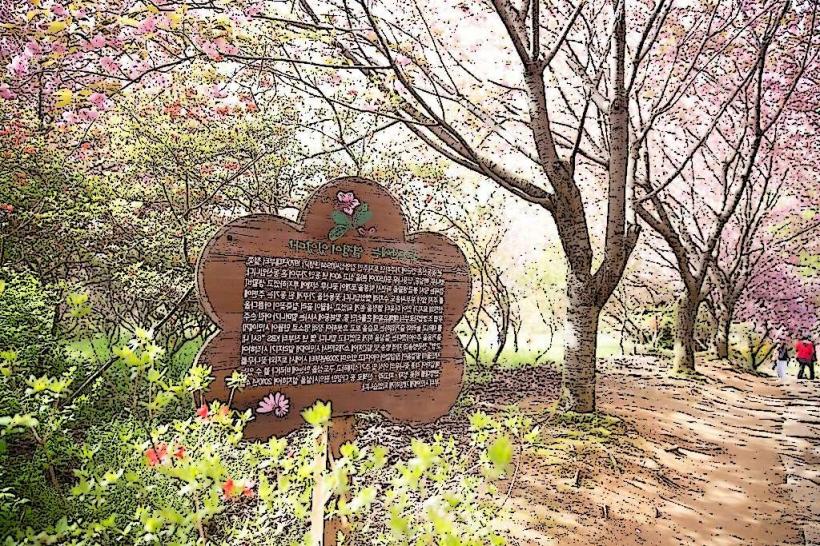
- Spring and Autumn are considered the best times to visit Jeonju Hanok Village, as the weather is mild and the surrounding scenery is stunning. Spring brings vibrant cherry blossoms, while autumn features beautiful fall foliage in the nearby parks and mountains.
- Winter offers a quieter atmosphere, though it can be cold, and summer sees the village bustling with tourists, especially during festival times.
Accommodation:
- There are various Hanok-style guesthouses within the village, where visitors can experience staying in traditional Korean homes with modern amenities. Some Hanok houses are also turned into boutique hotels offering a cozy and cultural lodging experience.
Conclusion:
Jeonju Hanok Village is a must-visit destination for anyone wanting to experience traditional Korean culture and architecture. The village offers a unique opportunity to explore over 800 traditional Hanok houses, enjoy delicious local cuisine, participate in cultural experiences, and immerse oneself in the rich history of Jeonju. Whether you’re looking to explore the Gyeonggijeon Shrine, try Jeonju’s famous bibimbap, or stroll through the quaint streets lined with traditional buildings, Jeonju Hanok Village provides a perfect blend of history, culture, and natural beauty.